VIE



More Than Just an Ordinary Fruit
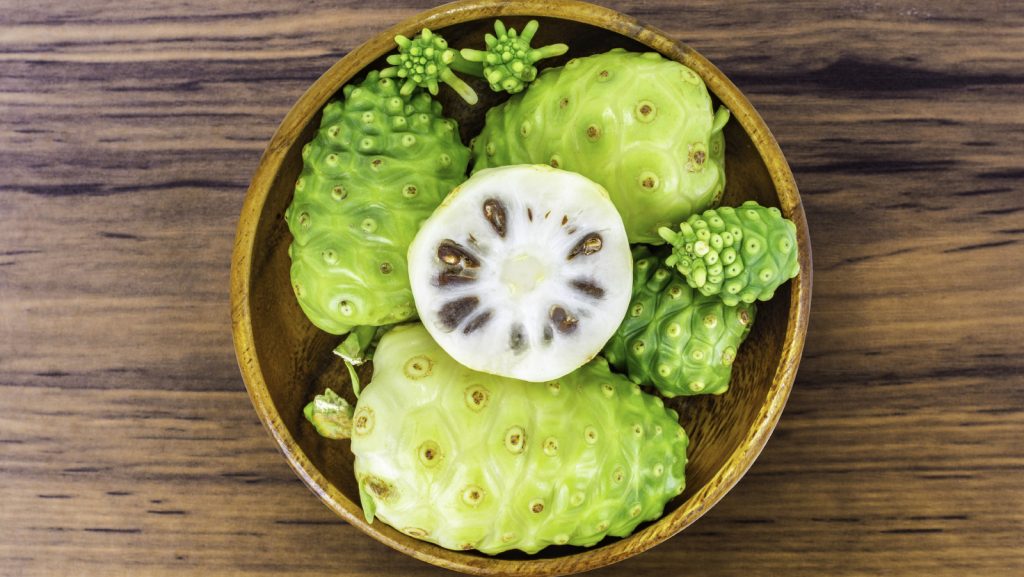
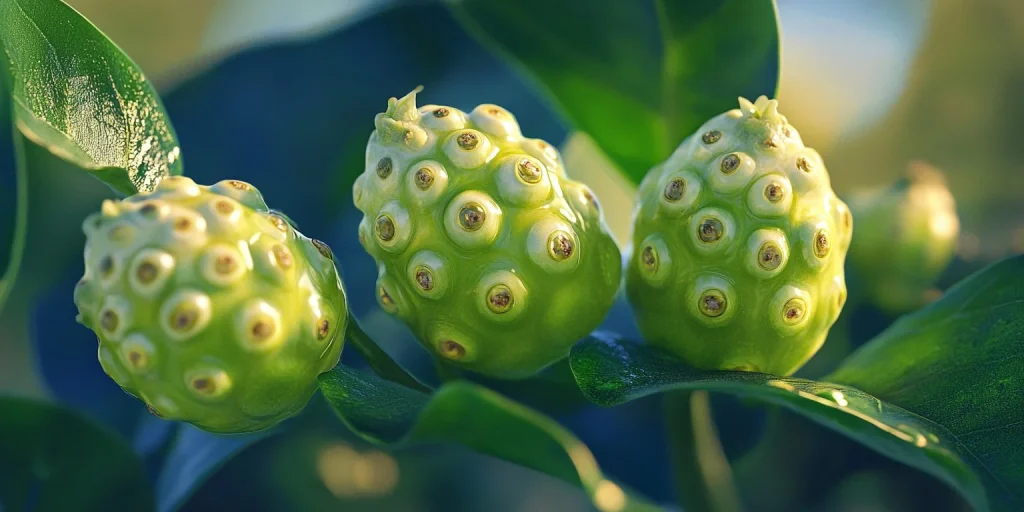
From the outside, noni doesn’t look particularly special. For many people, its smell and taste can even feel unfamiliar or hard to get used to. But when studied more closely, researchers have found that noni contains a variety of different compounds—not just what you would expect from an ordinary fruit.
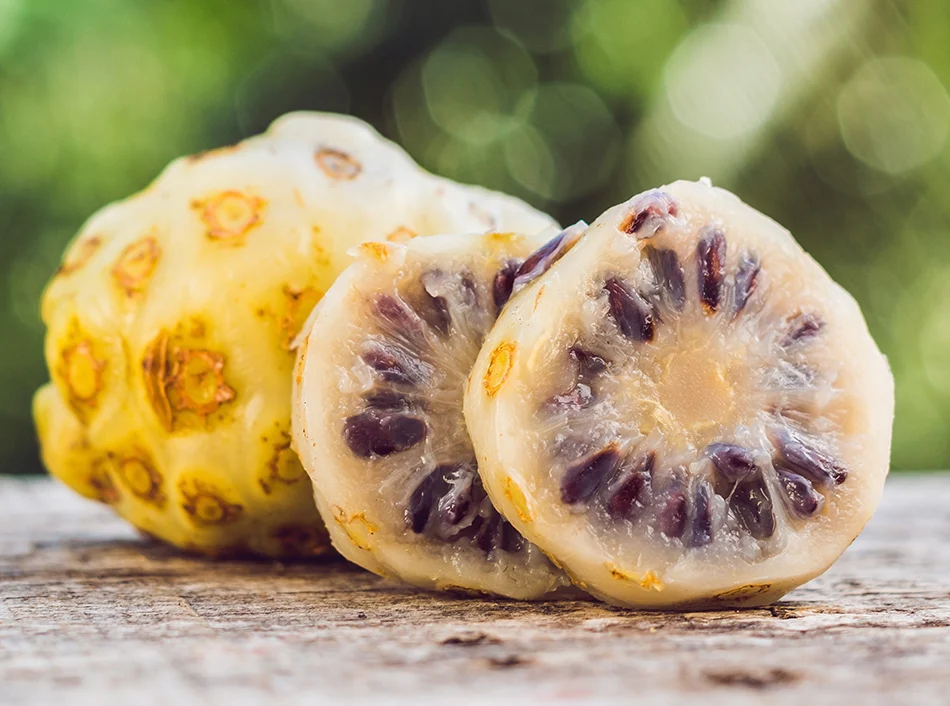
Among these are commonly mentioned groups of natural compounds such as polyphenols and flavonoids, along with some more specific compounds like scopoletin and damnacanthal. These names may sound unfamiliar, but they are not unique to noni. In fact, they are commonly found in many plants—especially fruits and herbs.
What makes each plant different is not simply the presence of these compounds, but their proportions and how they are combined. And it is this variation that gives each plant its own characteristics, even when they may appear similar at first glance.
Why Are These Compounds Being Studied?
In recent years, scientific research has shown growing interest in plant-based compounds—especially those linked to antioxidant activity or various biological processes in the body. Some studies suggest that compounds like polyphenols and flavonoids are associated with neutralizing free radicals—something often discussed in relation to aging and changes in the body over time.
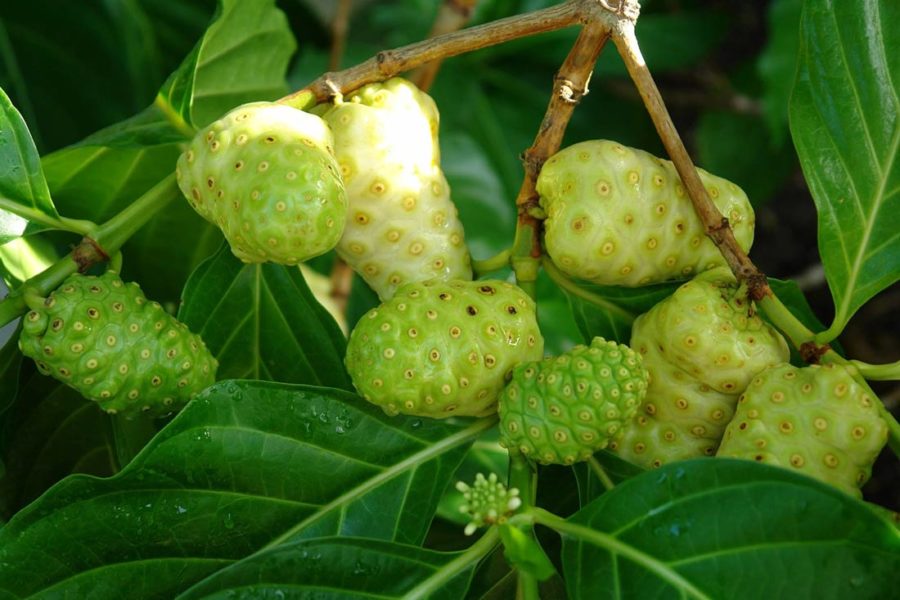
In addition, certain compounds found in noni are being explored for their potential roles in processes such as inflammation or how cells respond to external influences. However, it is important to understand that most of these studies are still at an early stage of observation and exploration. The fact that a compound is “associated with” a certain process does not mean it will produce a clear or direct effect in the body in the simple way it is sometimes assumed.
It’s Not Just About “What’s Inside,” but “How Well We Understand It”
When discussing what noni contains, what matters is not only listing its components, but understanding them at an appropriate level. Knowing that noni contains natural compounds is well supported. But going further—such as directly linking those compounds to specific outcomes—requires more caution. Many factors come into play, including how it is used, individual body conditions, and overall lifestyle.
For that reason, instead of seeing noni as something “special because of what it contains,” it may be more reasonable to view it as a plant with its own characteristics—one that is still being studied and better understood over time.
A Balanced Way of Looking at It
Among the many herbs and fruits that exist, those that receive more attention are often the ones that show characteristics worth exploring further. Noni is one of them. But perhaps what matters is not how “good” it is, but how well we understand it—enough to avoid unrealistic expectations, yet not dismiss what has been observed. Because in a broader perspective, the value of a herb does not lie in what it can do immediately, but in how we understand and use it in a way that fits.
— My An Team —