VIE



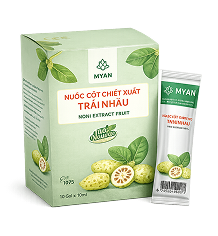
My An Noni Extract
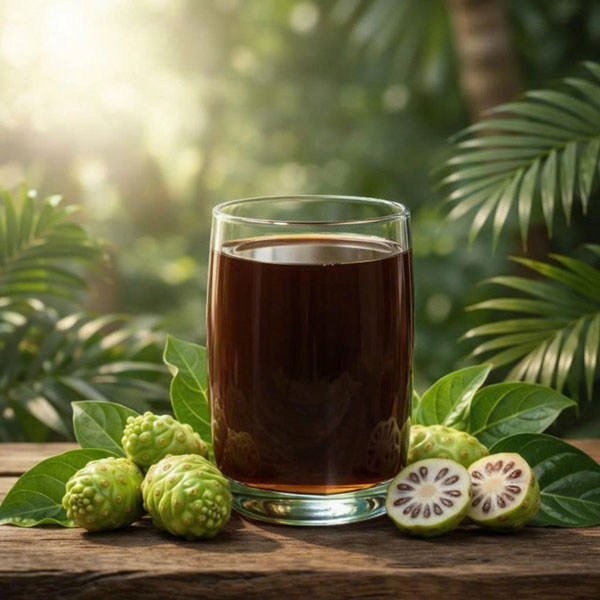
Ripe noni fruit is carefully extracted and packed into convenient individual sachets for everyday use. The taste is gently balanced with pure honey, making it smoother and more suitable for modern daily life.
Explore

Preserving the pure value of natural noni
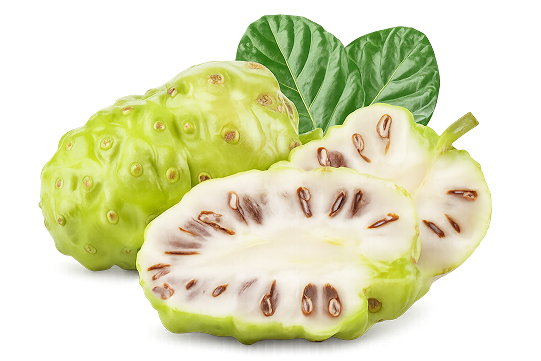
My An is a producer and processor of noni-based products in Ben Tre. We focus on extracting and developing clean, natural products from noni, using carefully selected raw materials and a thoughtful production process.
With a clear commitment to quality and transparency, My An aims to bring noni – a familiar herbal fruit from Central and Southern Vietnam – closer to modern daily life. We choose to work in a steady, honest, and meticulous way, respecting every product we create.
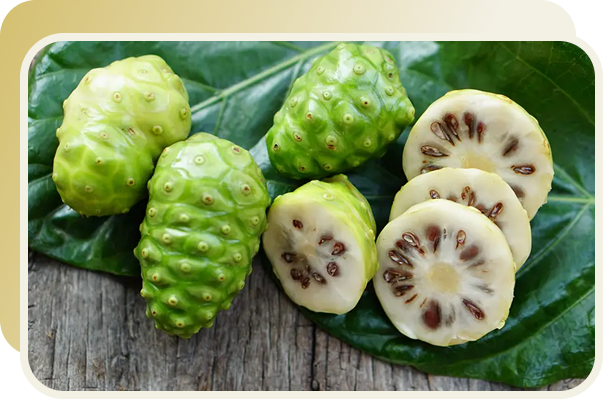
Some people have seen noni fruit fallen beneath the trees. Others have only heard of it, but have never known exactly what it looks like. Many people are curious, yet do not know where to begin exploring it.
My An helps you understand noni more completely — from its natural origins, the way it was traditionally used by earlier generations, and the common misunderstandings around it, to how it is viewed and appreciated in modern life today.
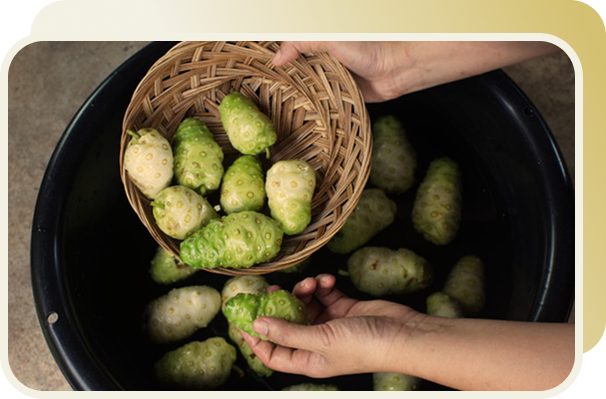
Noni fruit already carries its own natural value. What matters is not only understanding it, but also knowing how to handle it and preserve what belongs to its original nature.
This section shares how we select our raw materials, manage its distinctive aroma, extract its essence, and carefully control each step of the process. Not to display complexity, but so that those who care can truly understand what happens behind every batch of noni we create.

From natural noni fruit, we develop a selection of processed products suited to modern daily use. Each product is created from carefully selected ingredients and a consistent production process. Here, you can explore each product line, how to use it, and the related information you may need before making your choice.
Every herbal ingredient has its own suitable way of use, depending on each person’s body and circumstances. Noni is no different. This section shares practical experiences from those who have used it for many years, combined with basic scientific information, so you can better understand how to use it properly, in the right amount, and at the right time — including when it should or should not be used.
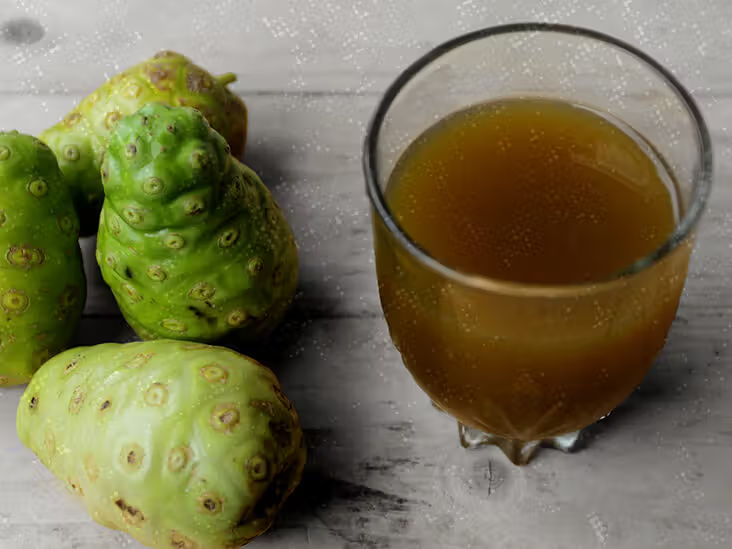
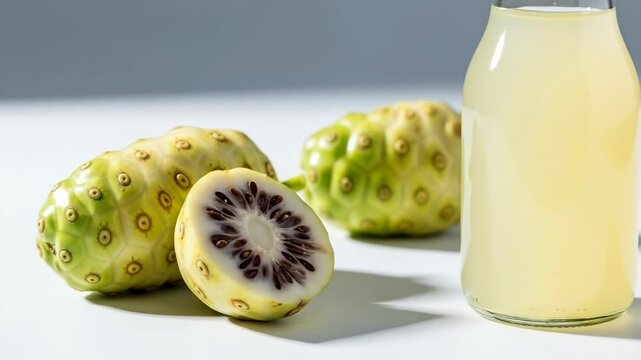
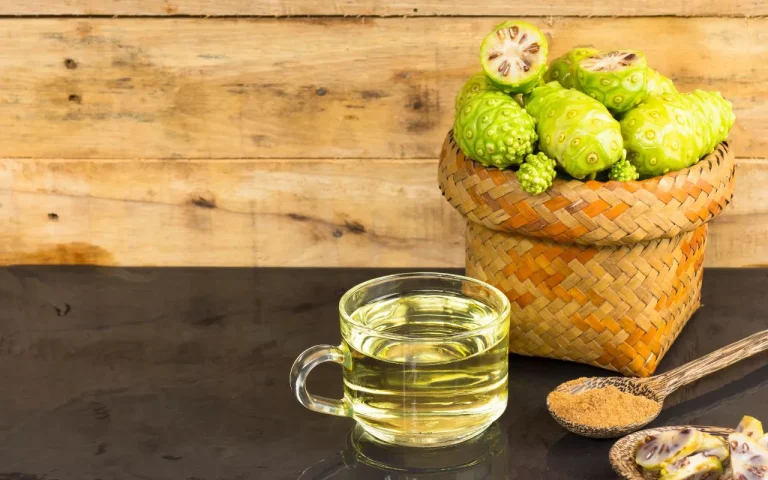
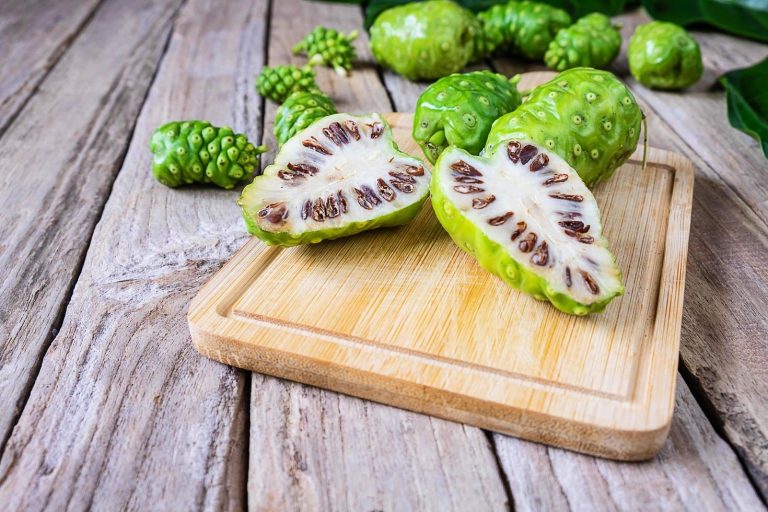
Noni is a fruit that grows naturally in many tropical regions, including Vietnam. In Vietnam, it is commonly found in the Mekong Delta, Central regions, and some coastal areas. It is not a rare plant—in fact, it has long been familiar in traditional life. However, because it has not been widely developed in a structured way, many people today may find it unfamiliar.
No. Noni is not a medicine and is not intended to replace medical treatment. Traditionally, it has been viewed as a type of herbal support in daily life, similar to many other plants and fruits used by previous generations.
Noni originates from Southeast Asia and the Pacific Islands. It has been used for a long time in traditional life across various regions, not only in Vietnam but also in neighboring countries.
The smell of noni is a natural characteristic when the fruit ripens. It results from natural fermentation processes inside the fruit, creating a strong aroma. Some people find it unpleasant, while others become accustomed to it over time.
Noni is a fruit that contains various natural compounds. From My An’s perspective, it is not a “miracle cure,” but rather a complementary option within a healthy lifestyle. Its value lies in appropriate, consistent use that suits each individual.
There have been some studies on noni worldwide, mainly focusing on its composition and characteristics. However, scientific findings are still at a reference level and are not sufficient to consider noni a medical treatment.
Noni is not a medicine and does not replace medical treatments. If you have specific health concerns, you should consult a doctor and follow appropriate medical care.
That said, noni contains natural compounds such as polyphenols, flavonoids, and scopoletin. These have been studied for their potential roles in supporting the body—for example, antioxidant activity or contributing to physiological balance.
For this reason, noni is generally seen as a supportive food or herb within a healthy lifestyle, rather than a direct treatment.
No. Like any food or herb, noni should be used in moderation. Consuming too much does not make it more effective and may lead to unwanted reactions.
It can typically be used in the morning or evening, depending on individual habits. The key is consistency, rather than strict timing.
It depends on the form (extract, dried slices, infused in alcohol, etc.), as each has different usage methods. The general principle is to use a moderate amount, listen to your body, and avoid overuse.
Not necessarily. Noni can be considered a complementary part of your routine. It can be used regularly for a period of time, or in cycles, followed by a pause to observe how your body responds.
People with sensitive conditions, pregnant women, or those with specific health concerns should seek professional advice before use. As with any herb, individual suitability is the most important factor.
My An follows a closed process—from selecting the fruit, cleaning, processing, to packaging. The goal is to preserve the natural characteristics of noni while ensuring hygiene and product consistency.
A good product should have clear information about its origin, production process, and storage method. In addition, factors such as aroma, color, and overall consistency can also help indicate quality.
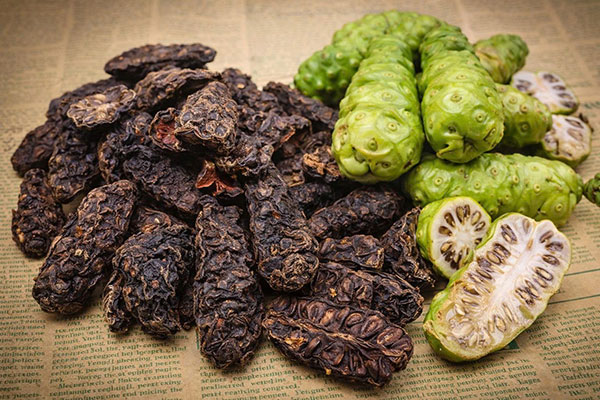
Fresh noni: Closest to its natural state but more difficult to use and store
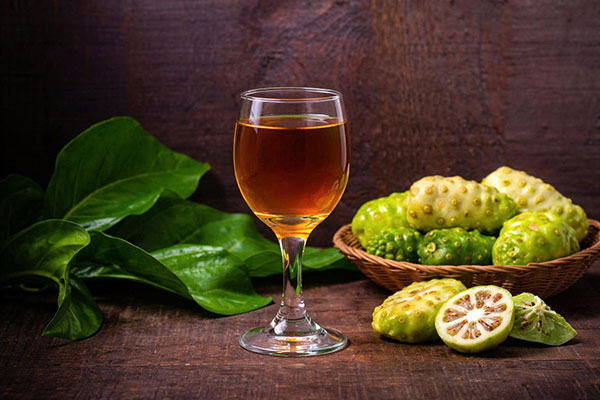
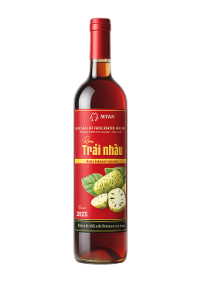
Noni infused in alcohol: A traditional form, easier for certain users
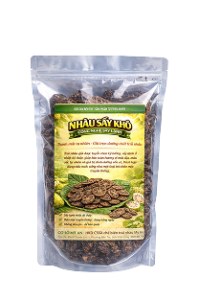
Noni extract: Processed for convenience, easier to store, and suitable for a wider range of people
“At first, I tried it out of curiosity. Later, I kept using it because it felt right—and once it fits, it just becomes a habit. I didn’t even know what noni was before, but now it feels like the closest thing to me among what I use.”

“I don’t think it’s anything extraordinary. If it feels right, I drink it—and after a while, I start to miss it. I used to avoid the smell, but now it feels quite pleasant. Maybe it’s just that I’ve changed.”

“Slow Living with Herbs” is a space to revisit the way people once cared for themselves — through familiar plants, moderation, and patience. Here, we share stories about Vietnamese herbs, thoughtful ways to use them, and calmer perspectives on health in modern life. Not to replace anything, but to gently add a more complete way of understanding and living well.

Mỹ An sản xuất và phân phối các sản phẩm thảo mộc, đặc biệt là từ trái nhàu. Trong các sản phẩm này có các loại rượu ngâm với nhàu. Do dó, bạn cần đảm bảo đủ 18 tuổi để có thể truy cập các thông tin này. Vui lòng không truy cập website khi bạn chưa đủ tuổi uống rượu theo quy định của luật pháp. Hãy quay lại khi bạn đủ 18 tuổi.
Truy cập trang là bạn đã đủ tuổi và tuân thủ theo
Điều khoản & Thoả thuận sử dụng và Thương
rượu có ý thức