Getting to Know Noni

Noni is a familiar plant in many parts of Central and Southern Vietnam. Even so, not everyone truly understands it. Many people have only started hearing more about noni in recent years, as noni-based products have become more common. We hope to help readers see noni in a fuller way — from its natural origins and the way earlier generations used it, to common misunderstandings and how it is viewed in modern life today. Before deciding whether to trust or use anything related to noni, the most important thing is simply to understand it clearly first.

What Is Noni?

Origin

Noni (Morinda citrifolia) is a tropical plant in the coffee family (Rubiaceae). It is believed to have originated in Southeast Asia and the Pacific Islands, before gradually spreading to many warm-climate regions around the world.

In Vietnam, noni grows widely in Central provinces such as Quang Binh, Quang Tri, and Quang Ngai, as well as in the Southeast region and the Mekong Delta. It often grows naturally along riverbanks, canals, or in home gardens. Because it was not traditionally cultivated as a commercial crop, many people remember noni not as something to be bought, but simply as a plant that was always there in the garden..

Natural Characteristics

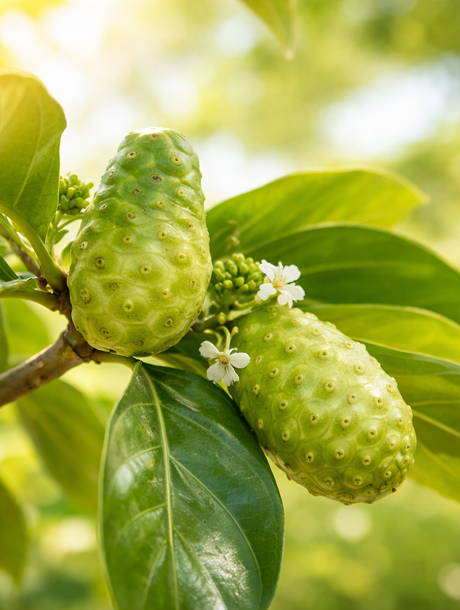
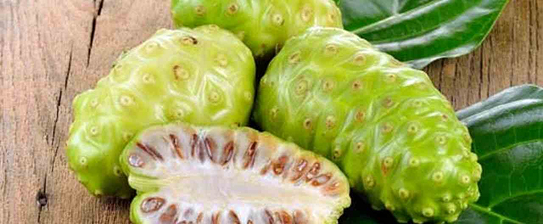
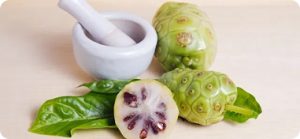
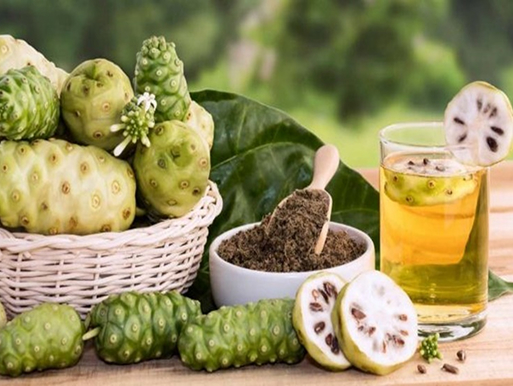
The noni tree is a small woody tropical plant that grows well in warm and humid climates. Its fruit has a distinctive shape, made up of many small sections joined together, somewhat similar to a custard apple, but longer and firmer.

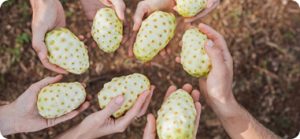
When young, the fruit is light green. As it ripens, it turns creamy white or pale yellow and becomes softer. One of the easiest ways to recognize ripe noni is its strong smell.

.

Why Is the Smell and Taste Difficult for Many People?

Noni fruit is often described as having a strong and pungent smell. This comes from several natural compounds that develop during the ripening process.

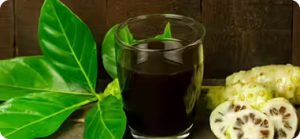
That is why fresh noni can be difficult for many people to eat directly. Traditionally, it is often processed in different ways — such as making juice, drying, or soaking in wine — to make it easier and more pleasant to use.

Its Role in Daily Life — Not Medicine

One important thing to note is that in traditional life, noni was rarely called “medicine.”

Older generations would simply say they used noni “to cool the body,” “to feel better,” or “for overall well-being.” These expressions reflect a different way of thinking: noni was seen as part of taking care of the body naturally, not as a direct treatment for a specific illness.

Because of that, noni was usually used in moderation — not continuously, and without expecting too much from it.

Noni in Traditional Herbal Living

How People Used It in the Past

In many rural areas from Central to Southern Vietnam, noni has long been part of everyday life. People did not usually think of it as something to eat every day like common fruit. Instead, it was used in simple and practical ways such as:

  • boiling it for drinking
  • drying it for later use
  • soaking it in wine
  • or combining it with other familiar herbs

These methods were usually uncomplicated and did not follow a fixed formula. People used noni when they felt it was needed, and often only for a certain period of time.

Common Misunderstandings About Noni

Noni Is Not Medicine

In recent years, as noni-based products have become more widely mentioned, many people have misunderstood it as something that can cure illness. In reality, noni is a herb traditionally used as a supportive food or wellness supplement. It is not medicine and should not be seen as a replacement for medical treatment or professional healthcare.

Noni Is Not Suitable for Everyone

Like many foods and herbs, noni is not always suitable for every person. Each body is different, and so are people’s conditions and daily habits. That is why the way the body responds to noni can also vary. Some people feel it suits them well, while others may not feel the same. This is completely normal.

More Does Not Mean Better

Another common misunderstanding is the belief that if something natural is good, then using more of it must be even better. In reality, the better approach is moderation — using the right amount and paying attention to how your body responds. This applies not only to noni, but to any herb or food. With noni, balance always matters more than quantity.

When Herbs Find Their Place Again

Today, more people are paying attention to natural and sustainable ways of caring for their health—through simple habits that support the body over time. Because of that, familiar herbs like noni are being noticed again as part of a more balanced way of living.

This calls for a combination of traditional understanding and modern awareness: knowing what we are using, using it in moderation, and choosing what truly suits the body. In that way, noni is no longer only part of folk experience—it also becomes part of a larger search for balance in modern life.

Noni in Modern Life

Noni from Today’s Perspective

In the past, noni was mostly part of traditional daily life and folk practices. But over the past few decades, as more people have become interested in herbs and natural ways of supporting health, noni has gradually been recognized in many parts of the world.

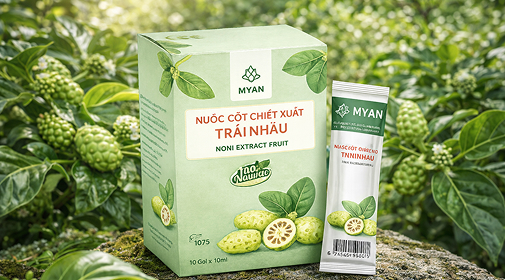
In tropical countries and across the Pacific Islands—where noni has existed for generations—noni products have been developed in many forms, from juice and dried powder to wellness supplements. Scientific research has also begun paying more attention to the natural compounds found in noni and their role in the body.

A Familiar Herb with More to Be Understood

Although noni has been around for a very long time, many people still know it only in the most basic way. Some remember it simply as a familiar tree from childhood. Others have only heard its name in recent years. And many are only beginning to ask what it really is.

Looking more closely at a familiar herb like noni is not only about understanding one plant. It is also a way of reconnecting with traditional knowledge, with nature, and with how people have cared for their well-being across generations.

.