The Philosophy Behind How My An Works with Noni

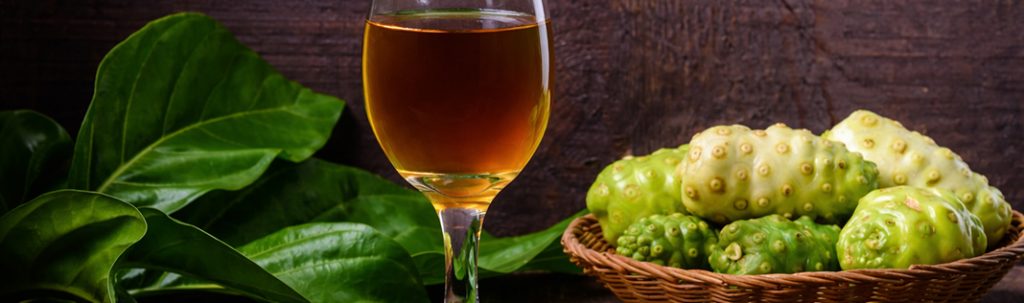
For a long time, noni has been part of everyday life in many regions of Vietnam. In the memory of many people, it is a familiar fruit—often used in simple ways such as boiling for tea, drying for later use, or soaking in wine. My An began from that same sense of familiarity.

Preserving the Natural Integrity of Noni

Keeping the True Nature of Noni Through Clean and Careful Production

When noni is processed into forms that are easier to use in modern life, the goal is not simply to create a product, but to preserve the fruit’s original nature through a clean, stable, and safe production process.

That is why, whether it is noni extract, noni wine, or dried noni slices, all My An products follow the same core principles:

  • carefully selected raw materials
  • hygienic and well-controlled processing methods
  • handling techniques that respect the natural character of the fruit

These principles are applied consistently throughout the entire production process at My An.

Selecting Noni at Its Best

The Quality Begins with the Fruit Itself

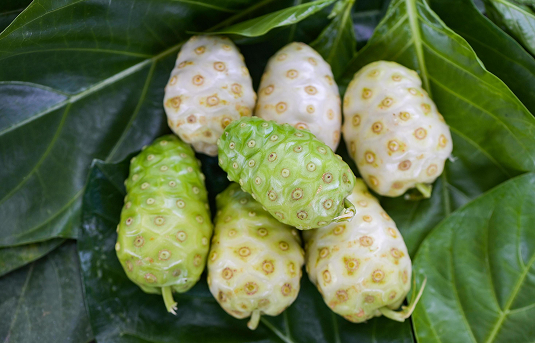
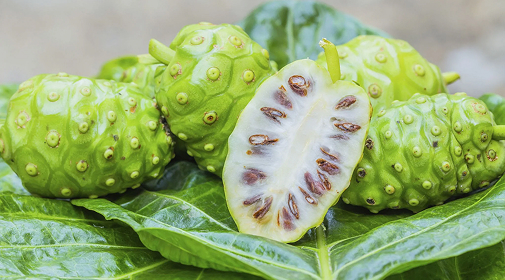
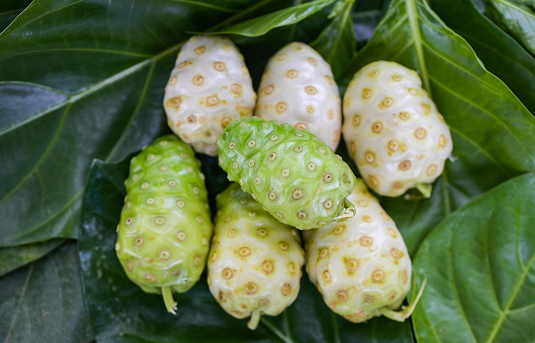
The noni used at My An is harvested directly from the garden within our own processing area, where more than a thousand naturally grown noni trees thrive. Having control over the fruit from the very beginning allows us to protect its quality at its source. Only fruits at the right stage of ripeness are chosen for processing.

Fruit that is too young or overly ripe can affect both the flavor and the stability of the final product. That is why each fruit is carefully selected on-site before any further steps begin. Whether it becomes extract, noni wine, or dried noni slices, the process always begins with the same principle: the quality of every herbal product starts with the quality of the fruit itself.

Cleaning — Where Product Quality Begins

After being carefully selected, the noni fruit goes through a thorough cleaning process before any further processing begins.

First, the fruit is soaked in lightly salted water for an appropriate amount of time to help remove impurities from the surface. The soaking containers are made of stainless steel to ensure cleanliness and hygiene.

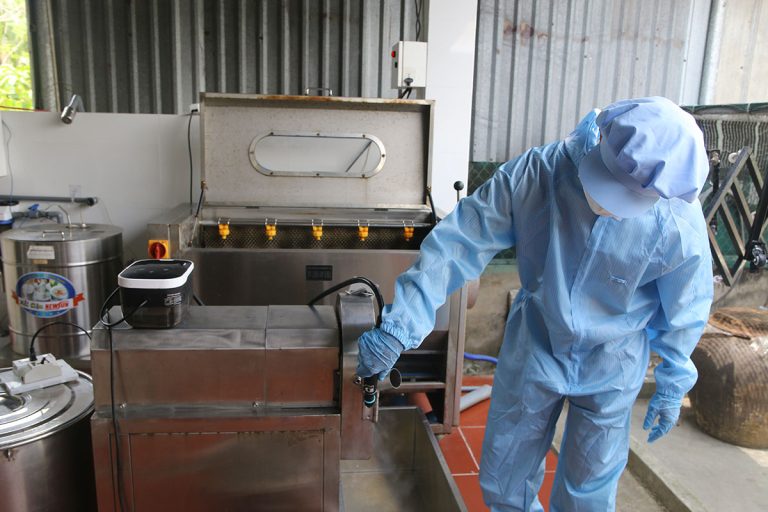
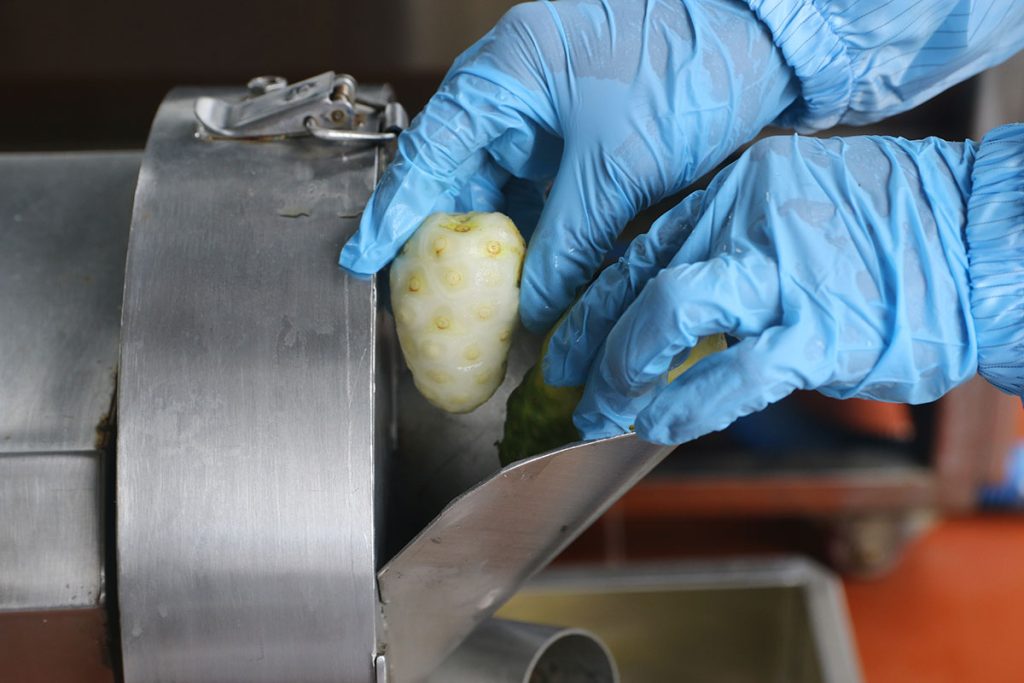
After that, the fruit is washed again using a specialized cleaning machine with soft internal brushes. This step helps clean more deeply while still preserving the natural skin and structure of the fruit.

All cleaning and cutting steps are carried out in a clean, well-ventilated space. The tools and containers are designed to minimize direct hand contact as much as possible. No matter what product is being made, this is always an essential step—because the cleanliness of the fruit at the beginning directly affects the entire process that follows.

A Controlled and Hygienic Processing Space

A Clean and Well-Organized Processing Space

In many small-scale herbal processing models in rural areas, production is often done in a more manual and informal way. Workspaces are sometimes temporary, arranged mainly by experience and convenience rather than clear production standards.

At My An, from the very beginning of building our processing facility, we set a clear goal: to create a clean, organized, and well-managed production space—operating with the same discipline and care as a professional food-processing facility.

The areas for selecting, washing, and slicing noni are arranged on clean tiled floors for easier hygiene control. Most tools and containers are made of stainless steel to ensure cleanliness and stability throughout the process. The workspace is also designed to limit unnecessary direct contact and reduce factors that may affect the quality of the raw fruit during handling.

In the context of herbal production in a rural region like the Mekong Delta, this approach reflects a very simple belief: working with herbs should be done with the same seriousness, care, and respect for hygiene as any food production process.
A Controlled Processing Room for the Extraction Line

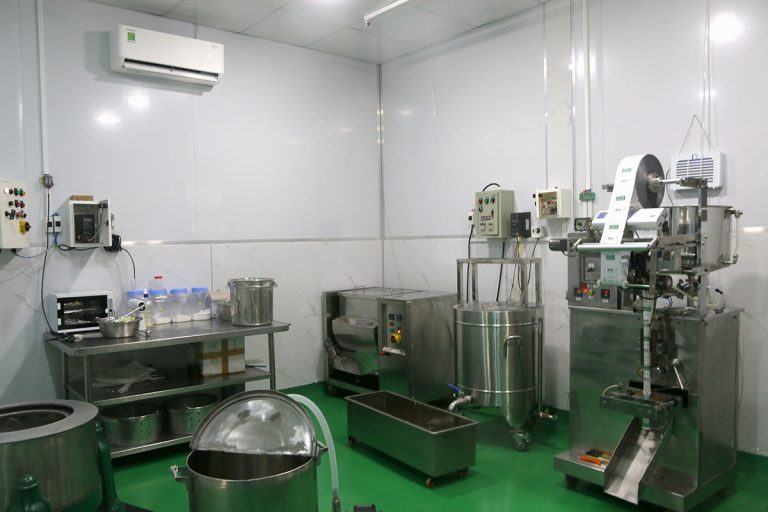
For our concentrated noni extract products, My An has designed a dedicated enclosed processing room to better control production conditions throughout the extraction process.

This room is equipped with supporting systems that help maintain a cleaner and more stable environment, including:

  • UVC lamps used regularly for sterilization
  • EVC lighting operating continuously at a lower intensity
  • a negative ion system that helps purify the air and reduce odors

The entrance is designed with thick plastic strip curtains to limit direct air exchange with the outside environment. Anyone entering the room must wear dedicated protective clothing and follow the necessary sanitation steps. These garments are separately cleaned and sterilized using designated equipment. All containers and tools inside the room are made of stainless steel to ensure hygiene throughout the process.

With this setup, the entire noni extraction process is carried out in a clean, stable, and carefully controlled environment—minimizing outside factors that could affect product quality.

My An’s Noni Extraction Process

Extracting Noni While Preserving Its Natural Essence

Among all My An products, concentrated noni extract requires the most careful technical handling. Once brought into the processing room, sliced noni is placed into equipment with enzyme-assisted support. This process takes place over several days, allowing the fruit to naturally release its juice and beneficial compounds.

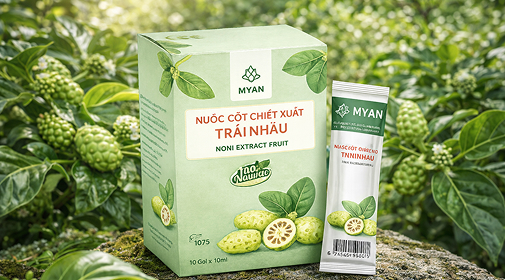
After the extraction is complete, the liquid is separated from the pulp and seeds using a centrifuge. This method helps create a cleaner and more stable extract. The noni extract is then transferred through a closed piping system and filled into small 30ml bottles, making it more convenient for daily use.

Before final packaging, the product is pasteurized at a suitable temperature to ensure safety during storage while preserving its original quality.

The entire extraction method is built around one simple principle: preserving the natural integrity of the fruit while processing it in a cleaner, safer, and more stable way than traditional manual methods.

Other Ways We Work with Noni

Noni Wine

Soaking noni in wine has long been a familiar way of using herbs in daily life, especially in the Mekong Delta. At My An, this method is carried out by combining traditional experience with the support of modern equipment.

The wine base is carefully chosen from distilled alcohol with stable and reliable quality. Before soaking, the wine is filtered to remove unwanted impurities. The noni fruit used for infusion is also carefully selected for the right quality and ripeness.

The soaking process is controlled in both timing and storage conditions to ensure product stability over time.

This approach allows noni wine to retain the distinctive character of the fruit while also ensuring cleanliness, consistency, and a more reliable everyday experience.

Dried Noni

Drying noni is one of the most traditional ways of preserving the fruit for longer use. It helps reduce moisture while keeping much of the fruit’s original character, making it easier to store and use over time.

At My An, noni is carefully selected, cleaned, and sliced before entering the drying process. The drying method is controlled to maintain cleanliness and product stability, while avoiding excessive heat that could affect the natural qualities of the fruit.

Dried noni can be used in simple everyday ways, such as boiling for tea or combining with other familiar herbs. It is a form that stays close to traditional use, while offering more convenience for modern living.

More than a preserved product, dried noni reflects a simple principle: keeping herbs close to daily life, in a way that is practical, balanced, and easy to continue over time.

My An’s Production Philosophy

The way My An works with noni is not built around a complicated industrial system. Instead, we choose a slower and more careful path. Every step is designed around three core principles:

Quality begins at the source
Noni is harvested directly from our own garden and carefully selected before processing begins.

Clean and stable processing comes first
Enclosed spaces, stainless steel equipment, and strict hygiene control are treated as essential parts of the process.

Respect the natural character of the fruit
Each method is chosen to be as gentle as possible, minimizing unnecessary intervention and preserving what naturally belongs to the fruit.

My An does not aim to chase large-scale production in a short time. We choose consistency over speed, so that every batch can reach the quality we truly expect.

At the heart of it all is one simple goal: to preserve the familiar essence of noni, while bringing it into today’s world through clean, careful, and responsible production.