VIE



When the Fruit Is Unripe: Structure Is Still “Holding Firm”
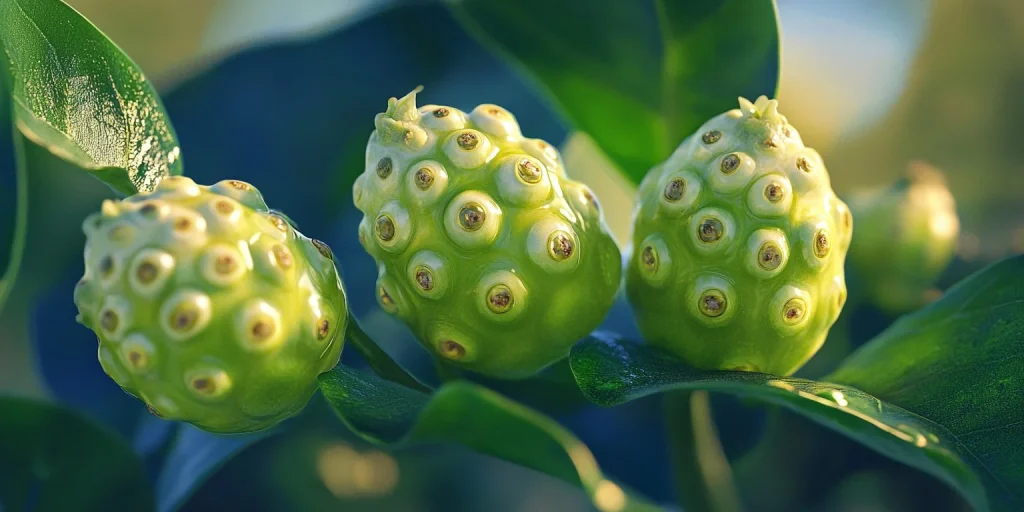
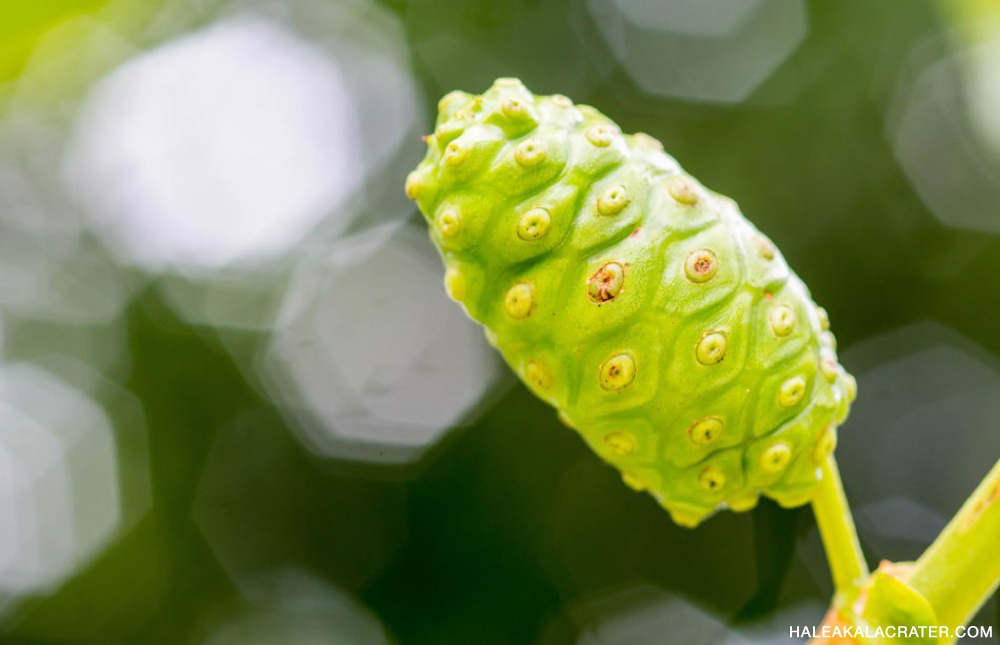
At the unripe stage, noni tends to have a firmer structure, and its taste and aroma are not yet clearly developed. At this point, the fruit still contains many compounds associated with protection and structural integrity—such as certain forms of polyphenols or compounds that contribute to astringency.
These are not unique to noni. They are commonly found in many unripe fruits, helping maintain shape and resist environmental influences. At the same time, they also make the fruit less pleasant in taste. From a compositional perspective, the compounds at this stage are still in a less “settled” form, and this is not typically when noni is most commonly used.
As It Ripens: Changes Become More Noticeable
As noni begins to ripen, a series of changes starts to take place. The internal structure softens, and many compounds begin to transform from one form to another. Some substances decrease, while others become more active or more accessible. This is also when the distinctive aroma of noni becomes more noticeable, due to the formation of volatile compounds and natural breakdown processes within the fruit.
From a scientific point of view, this stage is often where many of the compounds of interest in noni become easier to observe and study—although their exact roles are still being explored.
When Fully Ripe: A Relative Stability
Once the fruit is fully ripe, most of the major transformations have already occurred. The internal composition tends to become more stable compared to earlier stages, which is also why this is the stage where noni is most commonly used. At this point, the natural compounds exist in a more balanced state, no longer changing as rapidly as during the ripening process.
However, “stable” does not mean completely fixed. The fruit can still continue to change depending on how it is handled, stored, or processed afterward. This also explains why even fully ripe noni can differ in composition depending on how it is treated after harvest.
Not Just Ripe or Unripe, but a Continuous Process
When people think about ripeness, they often reduce it to a simple idea—whether a fruit is ready to eat or not. In reality, ripeness is a continuous process of change happening within the fruit. The same is true for noni. Each stage has its own characteristics, and understanding these differences helps avoid an overly simplified view—such as focusing only on “what is inside.”
Instead, it becomes clear that even within the same fruit, composition is not a fixed number. It changes over time, with conditions, and with how we approach it. And perhaps that is why, when talking about herbs and natural fruits, understanding the context is just as important as knowing their components.
— My An Team —