VIE



When Everything Can Be Done Faster
If you look closely, it’s easy to notice that while life today is much more convenient, the sense of ease hasn’t necessarily increased in the same way. Everything has become faster: eating, traveling, shopping—even the way we consume information. But precisely because everything can be done more quickly, people often find themselves constantly in a hurry—without always knowing why.
In the past, life moved more slowly in a natural way. Not because people consciously chose to slow down, but because circumstances simply allowed for it. Meals took time to prepare. Seasonal foods had to be waited for. Some things simply could not be rushed. Because of that, life followed a steady rhythm—unhurried, and still within the pace that people could truly feel and experience.
As things began to change, people grew used to optimizing time: doing things faster, more conveniently, with less effort. This is not wrong—in fact, it has made life easier in many ways. But along with that, small things that once went unnoticed have gradually turned into a kind of quiet absence. It may be the feeling of finishing a meal without remembering what you just ate. Or a day filled with completed tasks, yet ending with a mind that still feels heavy.
A Natural Need, Not Just a Trend
These feelings are not always obvious. But over time, they lead people to quietly ask: am I living faster than I need to? In that sense, “slow living” is not always an idealized choice—it is often just a way to rebalance.m Not everyone wants to change their life completely. But many begin by adjusting small things. Eating a bit more slowly. Taking time to cook instead of always choosing something ready-made. Or simply paying more attention to what they are consuming each day.
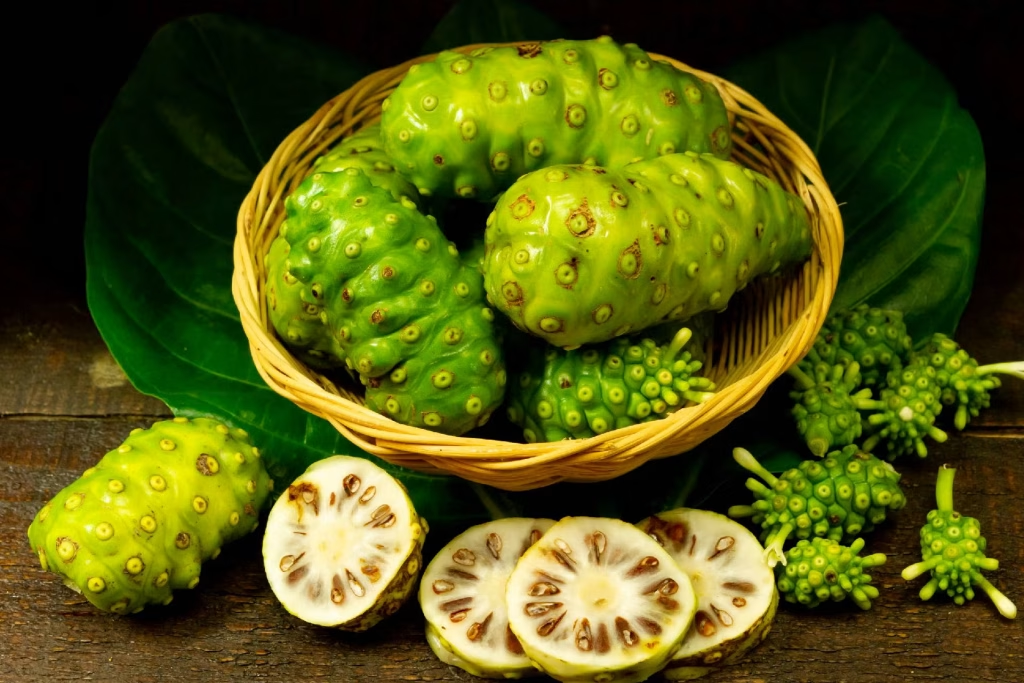
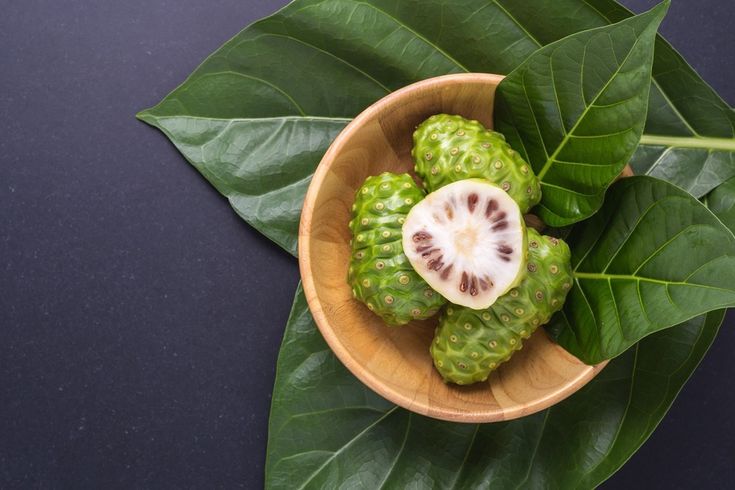
In that process, things that were once very familiar—like herbs, or simple ways of eating—begin to appear again. Not because they are new, but because, in the current context, they feel relevant in a different way. A warm drink made from a few slices of dried fruit, or a small daily habit, may not bring an immediate, noticeable effect. But it is precisely this gentle, unhurried quality that many people find comforting—especially when they no longer expect to “see results” right away.
Finding a More Fitting Rhythm
In the end, what people are often looking for is not a return to the past, but a rhythm that feels more balanced in the present. Still working. Still busy. But not letting everything move too fast. Still using modern conveniences, but not relying on them completely.
And within these small adjustments, sometimes just a few simple changes—how we eat, how we drink, how we spend time with our own body—can create a difference, without needing to change everything. It may not even be necessary to call it “slow living.” But when things begin to feel more balanced, more at ease, people naturally start to recognize the rhythm that suits them best.
-My An Team-